
Menu
Field notes / Preparedness & survival
Before You Panic at the Pump, Make a Thanksgiving Fuel Plan
Pick a fuel stop, a backup, and a safe place to wait before you head out for Thanksgiving.
By Tyler Dean Milligan / / 3 minute read
News about the Strait of Hormuz showed up in Google’s U.S. trending searches this morning. Reuters reports that shipping slowed over the weekend after attacks on tankers. That’s worth following. It doesn’t tell me my local gas station is running out, and it doesn’t make me want to go fill a bunch of cans.
Here’s the number that matters to me this week: AAA expects 72.9 million people to travel by car for Thanksgiving. If I’m driving in Colorado, I want to know where I can fill up, where I can stop if the road closes, and what I’ll do if the first plan falls through. I can make those decisions before I ever turn the key.
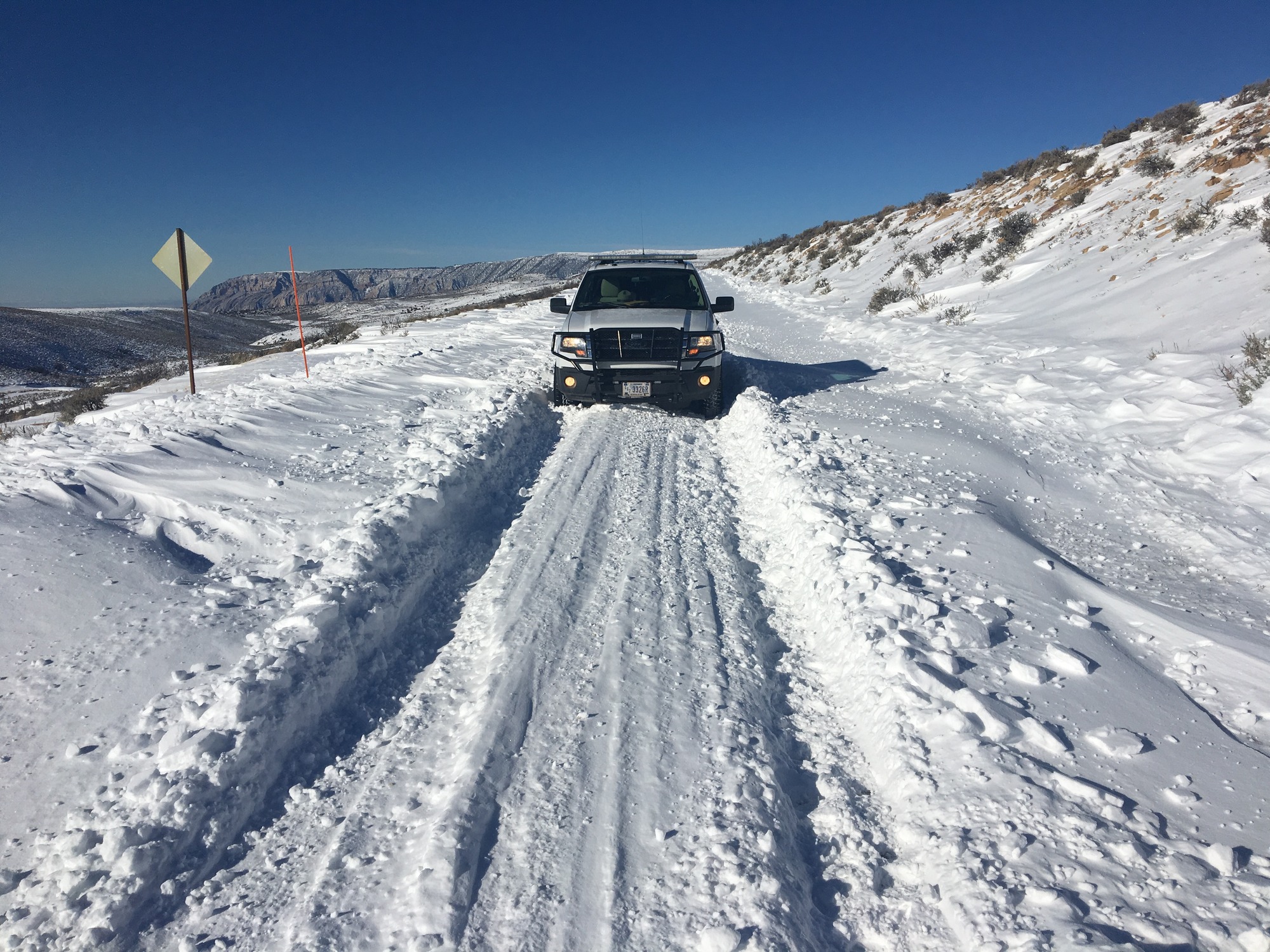
Pick a fuel stop and a backup
I’d fill up before leaving town and choose a stop while I still have options. For a rural or mountain stretch, that means looking for a station before it, not betting on the one at the far end. If I’m traveling late or on Thanksgiving Day, I’d check the hours. A pin on a map tells me where the station is. It doesn’t tell me whether the pump is working or whether I can get inside and warm up.
Then I’d pick a backup I can reach with fuel comfortably left over. That’s the part most people can do in five minutes. Pull up the route, find one staffed place to stop, and mark another. It could be a truck stop, a town with several stations, or somewhere I can pull off the highway, get warm and wait for an update. I’d rather make a short stop I didn’t need than drive past the last good one and spend the next hour watching the gauge.
Leave yourself room for a delay
NHTSA recommends keeping the tank close to full when possible in winter. I take that as permission to stop early. A detour changes the distance. A closure can change the whole trip. I’d check COtrip before I leave and again while I’m parked at my planned stop. If the main road is closed, I’m not taking an unfamiliar back road just because an app says it’s faster.
I also want the people expecting me to know when I’ll check in. Before leaving, I’d give them the route and tell them which town I plan to stop in. If I need to wait there, they’ll know why my arrival changed. If your phone losing signal would wreck that plan, I wrote more about that in When Your Phone Fails, Your Plan Has to Work.
Put the essentials where you can reach them
I’d keep a warm layer, gloves, a flashlight, water and a charged phone or backup battery within reach. It’s easy to say you’ve got a blanket when it’s buried under everything in the back. Pull it out before you need it. If the vehicle is disabled in winter weather, NHTSA advises staying with it, making it visible and clearing the exhaust pipe if snow blocks it. If you have to run the engine for heat, run it only intermittently, and don’t run it with the exhaust blocked.
Before your next drive, ask whoever’s riding with you one question: If we can’t make it to the planned stop, where are we going instead? If neither of you can answer, fix that before you leave. That’s a better use of five minutes than reading another headline at the pump.
Topics: Preparedness / Winter driving / Thanksgiving travel