
Menu
Field notes / Survival media & mindset
Why Naked and Afraid shows the drama
and skips the days.
A skipped week does not erase the work. What survival television leaves out—and why adaptation, communication, and steady effort still matter.
By Tyler Dean Milligan / / 11 minute read
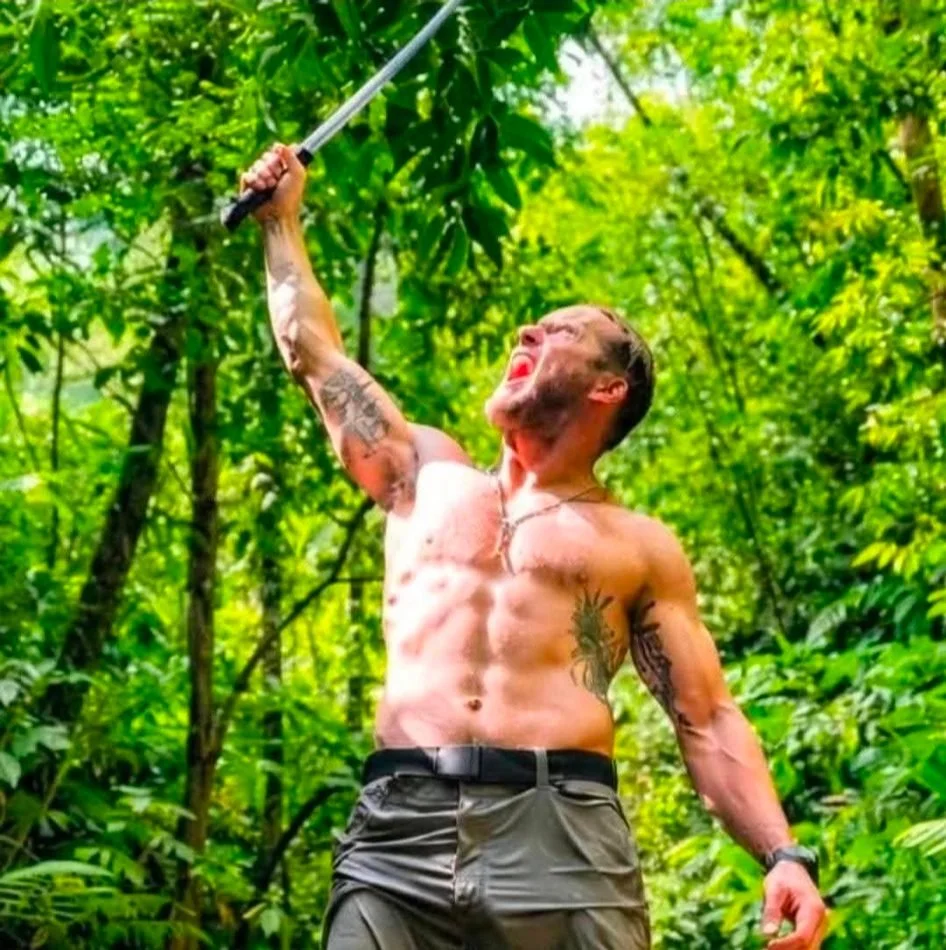
I see the same complaint all over social media, especially in the Facebook groups: stop with the drama and show more survival. Show the skills. Show what people are actually doing out there.
I understand wanting to see more of that. I’ve been on Naked and Afraid, and there are things from my own challenge that I wish had made it into the episode. Some of them were a hell of a lot harder to live through than you would ever know from watching.
But the complaint usually starts from the wrong expectation. People are expecting a survival skills show. What they’re watching is a survival story.
The people making that episode have to take days of footage and turn it into something you can follow in one sitting. An hour on the TV schedule isn’t an hour of footage. Once commercials are accounted for, you may have around 42 minutes to tell the story; the exact runtime varies. In that time, you need to meet the people, understand the situation, see what changes, and reach an outcome.
That is the job. Tell the story.
If something doesn’t move that story forward in a meaningful way, it can be essential to the people living it and still never make the cut. That includes skills, entire days, and even a massive storm. I know because I lived through one you didn’t see.
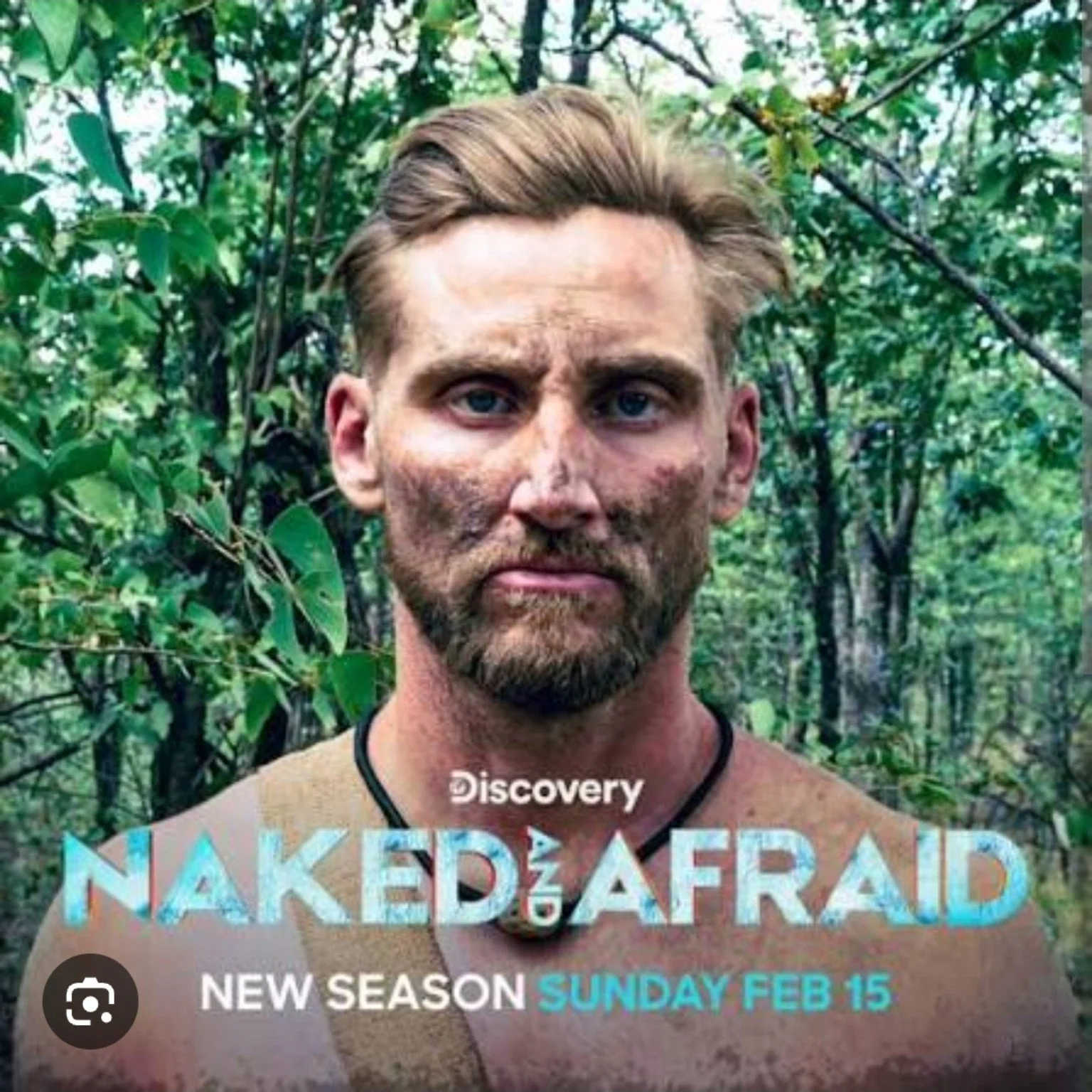
The week viewers did not see
My episode was called Alone and Terrified. My partner was Holly Robertson. After I left, I saw people complaining that the episode skipped an entire week of her challenge.
Why would they do that? Why wouldn’t they show what happened?
Here is the distinction I think gets lost: a week of surviving doesn’t automatically give you a week of new story.
Holly told me that after I left, she ended up staying awake at night dealing with the bugs and sleeping during the day. The bugs were mainly a nighttime problem. She changed her routine around them.
(Honestly, I probably should have tried that myself.)
The bugs and lack of sleep were what drove me to tap. So yes, there is a little hindsight in that observation, and I can laugh at myself about it. She found a way to keep going that I hadn’t made work for me.
That adjustment matters. It tells you something about how she adapted. But once the audience understands the routine, how many times do they need to watch it happen before they understand it?
In the stretch I’m talking about, there wasn’t another major weather event changing the situation, as I understand it. Holly was still living the challenge, still dealing with the conditions, and still having to get through each day. But maintaining a routine isn’t necessarily a new turning point every morning.
I wasn’t in the edit room, so I can’t give you the editors’ exact explanation for every omitted day. My point is that the time jump makes sense within the job they have to do. If the situation has been established and the next meaningful change happens later, the episode can move ahead to that change.
That does not mean Holly did nothing for a week. It does not mean surviving that week was easy. It means the audience didn’t get a day-by-day accounting of it.
There is a big difference between “nothing happened” and “nothing new happened that the episode needed to explain.” When people treat those as the same thing, they end up dismissing work and endurance they never actually saw.
The storm you saw and the storm you did not
Holly and I went through a huge storm. If you watched our episode, you saw the wind and the rain. The episode showed winds reaching around 50 miles an hour. It was cold, and we were getting hammered.
What you probably didn’t understand from that sequence was how long we were in it. My recollection is that the storm lasted three or four hours.
You saw a compressed version. We lived the hours.
Then another massive storm hit us. To me, that one was even worse. It was a torrential downpour that lasted about six hours, and we were trying to get through the cold and the soaking rain the whole time. It felt like a monsoon. We were exposed, miserable, and trying to stay warm enough to keep going.
That storm didn’t make the cut.
Was I disappointed? Yes. Of course I was. When you spend hours enduring something like that, you want people to understand what you actually went through. A few minutes of television cannot make someone feel the duration of it. Leaving the second storm out means they may never even know it happened.
But I can also look at it from the storytelling side. The episode had already shown Holly and Tyler getting hit by a massive rainstorm. The audience understood that we were wet, cold, exposed, and struggling with the weather.
My read is that another long storm sequence could have repeated a story beat they had already established. Unless it changed the direction of the episode enough to justify the time, it was competing with everything else they needed to show.
Was it redundant to us? Absolutely not. We still had to live through every miserable hour of it.
Could it have been redundant in one television episode? Yes. I can understand how an editor could make that decision, even while wishing they had made a different one.
That is the gap between living the challenge and watching the episode. The amount of suffering something caused is not a guarantee of how much airtime it receives.
Why a useful skill can disappear
The same thing happens with survival skills. People assume that if a technique is impressive, useful, or difficult, the episode ought to show it. From the participant’s perspective, I understand that completely.
You did the work. You figured something out. Maybe you tried it several times before it worked. You want the audience to see it, and you want them to understand that you brought more to the challenge than the few moments that survived the edit.
But useful work and useful television are not always the same thing.
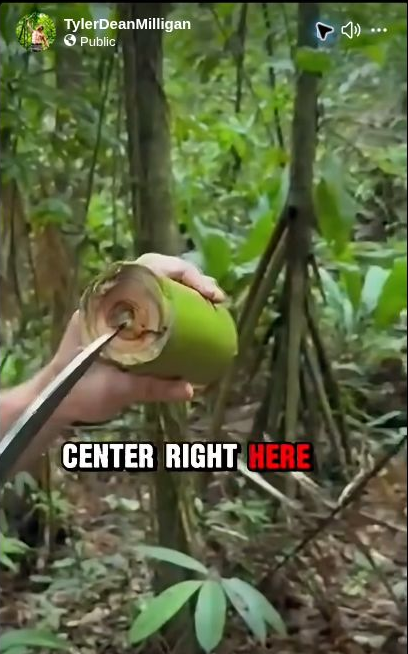
If you show someone maintaining a fire, collecting materials, or doing a routine camp task, you can establish that they are doing it. Showing the task again the next day may not tell the audience anything new. Meanwhile, a failure, a change in conditions, or a disagreement about what to do next may completely change the direction of the challenge.
That is where the episode is likely to spend its time. Not because the routine work suddenly stopped mattering, but because the change needs explaining.
This is also why I’m careful about comments like “that person never did anything.” What you didn’t see might have been left out. The episode is not a time sheet recording every person’s contribution, and screen time is a poor way to add up who carried their share.
Would I enjoy seeing more of the skills and more of the experiences that got cut? Definitely. Would some viewers appreciate longer episodes or extra footage? Probably. I’m one of the people who would like to see more.
That still doesn’t change what the episode in front of you has been built to do. You can want a different format without mistaking the current one for a complete record.
The drama is part of surviving together
The part people push back on hardest is the relationship stuff. They want the arguing gone so the show can get back to survival.
But what if the relationship is the reason the survival situation changes?
Naked and Afraid puts people together without the clothing, comfort, and familiar routines they normally rely on. They have different personalities, different backgrounds, and different ideas about what needs to happen. They have to try to make that work while dealing with the actual environment.
Being able to build a shelter does not automatically make you able to agree on where to build it. Knowing how to get food does not settle an argument about whether the group should spend its energy on food or something else. Technical ability matters, but the ability to work with another person affects whether that knowledge gets used effectively.
That is why trust, resentment, communication, and conflict resolution belong in the story. They can change who cooperates, who works alone, and whether someone wants to stay at all.
Look at Dani Beauchemin and Jarrell Banks on Naked and Afraid: Shipwrecked. I consider Dani an excellent survivalist. Watching the conflict between them, and then her decision to leave, is a good example of what I mean. From what I watched, that relationship was central to her experience and her decision. Their disagreements also affected the rest of the camp. You cannot explain that part of the challenge by listing survival skills alone.
That is my interpretation as a viewer, not a claim that an edited episode tells me everything about either person. I can recognize Dani’s ability and still see how much the interpersonal situation mattered.
You don’t have to enjoy watching people argue to recognize that an argument can have consequences. If the relationship changes someone’s decision to continue, leaving out the relationship would leave out part of the explanation for the outcome.
And it isn’t only conflict that matters. Resolving it matters too. Listening to a partner, admitting you were wrong, or finding a way to share the work can change the challenge just as much as a blowup can.
When people say “just show survival,” I think they sometimes leave out the difficulty of surviving with someone else. That is a bigger part of this than a lot of viewers want to admit.
Why the people matter as much as the setting
This also helps explain why casting involves more than asking who can make the best fire.
The public Naked and Afraid casting application asks about how applicants function in a team, the personalities they clash with, and how they would handle a partner with different beliefs, backgrounds, or life experiences. Those questions tell you that the human part of the challenge matters to the selection process.
They don’t prove that every pairing is chosen to create an argument. I’m not claiming to know why the producers selected every person or matched every pair. But a survival résumé by itself cannot tell you what will happen when two people have to depend on one another under pressure.
The environment gives them problems to solve. Who they are affects how they solve those problems, how they respond when things go wrong, and how they treat each other along the way. That is a story people can follow even if they have never tried to build a shelter or start a friction fire themselves.
A skills demonstration can teach you how a task works. Following two people through a challenge lets you watch what they do with the abilities, limitations, and personalities they brought into it.
Watch the story and learn the skills somewhere else
None of this means every editing decision is perfect. I have already told you about one I was disappointed by. Viewers can criticize a confusing time jump, wish for more context, or think an argument received more attention than it deserved. Those are fair reactions.
But “stop showing drama” does not solve the problem of explaining why people make the decisions they make. Sometimes the relationship is what moves the story forward. Sometimes a necessary skill does not. Sometimes a second storm takes six hours out of your life and still doesn’t change the episode enough to be included.
If you want instruction, there are plenty of YouTube videos and other ways to spend real time learning a specific survival skill. Look for someone who explains the process, the conditions, and the limitations, rather than assuming a quick television sequence taught you everything you need to know.
Naked and Afraid can make you interested in those skills. It can show people applying them under difficult conditions. But its job is to tell you what happened to these people during this challenge, within the time available, through the moments chosen for the episode.
So the next time you wonder why a week disappeared, remember that the people still lived those days. When you wonder why an argument stayed in, ask what changed because of it. And when you think someone had it easy because you didn’t see much happen, remember that there may be another six-hour storm you know nothing about.
I would love for you to see more of what Holly and I went through. I also understand why you didn’t.
It is a survival story. The skills are part of it. So are the people.